
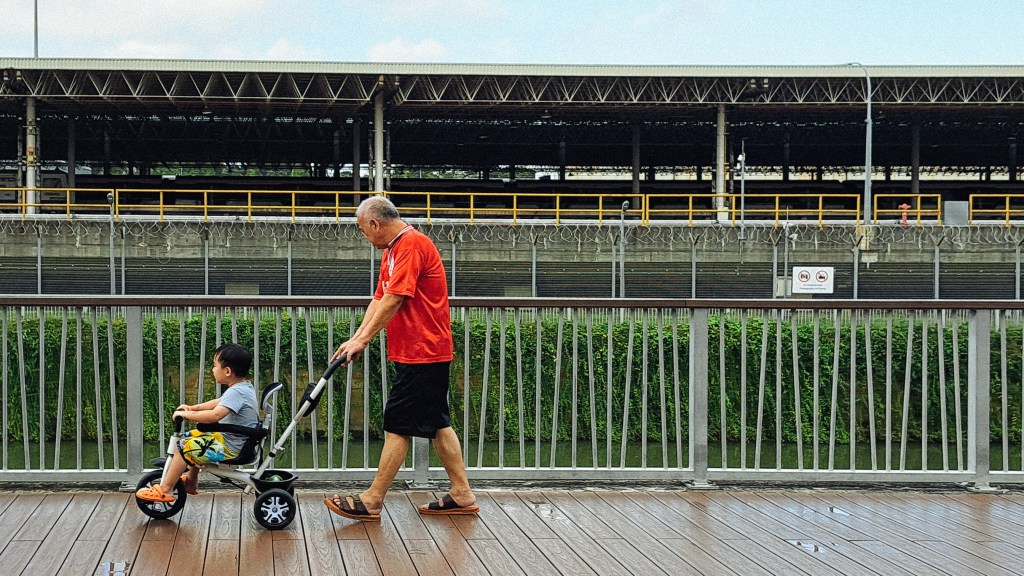
“Each day is an opportunity to learn more lessons of how love works: about enduring, and using humor wherever and whenever possible.”
– Avery Bradford
Avery Bradford’s reflection in Wondrous Child: Joys and Challenges of Grandparenting (Lindy Hough, eds.) encapsulates the profound journey of grandparents who unexpectedly step into the role of primary caregivers for their grandchildren.
The book is a collection of essays on grandparenting, from people of diverse backgrounds and different generations. Among the stories are real-life narratives of four grandparents – Avery Bradford, Joanne Maurits, John Lunn, and JoAnn Wynn – who found themselves in this position, navigating the emotional, financial and physical challenges that came with it. Their stories shed light on the shifting dynamics of grandparents as parents and the deep sacrificial love and responsibility that comes with it.
Grandparents Stepping In: A Response to Crisis
The circumstances that led these grandparents to assume parental roles are varied but share a common thread: parents unable to fulfill their responsibilities. These situations range from substance abuse, legal troubles, and financial instability to immaturity and an inability to provide stable environments.
Across these stories, a recurring theme emerges: the overwhelming sense of duty and love that compels grandparents to step in. Despite facing their own limitations, age-related challenges, financial strain, and emotional burdens, they choose to take on the role of parents once more, sacrificing their personal freedom for the well-being of their grandchildren.
Profiles of Grandparent Caregivers
For the four grandparents, grandparenting became more than just an occasional visit or a role filled with warmth and guidance; it became a full-time responsibility. Each of them stepped up to raise their grandchildren when their own children could not, shifting from the traditional grandparent role to that of primary caregivers.
Bradford, a married grandmother, took in her granddaughter, Zoey, after her daughter’s struggles with alcoholism and unstable relationships made it impossible for her to provide a safe environment. Similarly, Maurits (a nurse) and her husband became the guardians of their two grandsons after their son and his girlfriend’s financial instability and reckless behaviour left them unfit to parent.
Lunn, a semi-retired grandfather, found himself raising three grandsons together with his wife after child services removed them from their mother’s neglectful home following a divorce from their son. Wynn, the only single grandparent among the four grandparents mentioned, took custody of her two grandchildren when her son and his girlfriend found themselves caught in legal troubles, a decision that forced her into early retirement, financial hardship and which took a toll on her health.
A common thread runs through each of their stories, parental failure. Whether it was due to addiction, financial instability, neglect, or legal troubles, each grandparent stepped in when these failures came into light and there was no hope of improvement. Their motivations were rooted in love, but also duty and necessity. For most, it was not much of a choice at all. They would rather take the toll and foster care or possible unsafe and conducive environments. Being in their care, these grandchildren had a second opportunity of being loved and cared for.
The Joys and Challenges of Grandparenting
“I’ve gotten a lot out of making sure my grandkids have a loving home, where they feel safe. Even though I’ve had a very hard time some years, it’s all been worth it.” – Wynn
For these grandparents, stepping in as primary caregivers for their grandchildren has been both rewarding and deeply challenging. The transition from being a supportive, occasional presence to a full-time disciplinarian and provider comes with significant sacrifices. Many have had to give up financial security, careers, retirement plans, and personal peace to ensure their grandchildren grow up in a stable environment. Raising children later in life also places a heavy burden on their physical and emotional well-being, as they struggled with exhaustion, health concerns, and the sheer energy demands of parenting once again. The role reversal, shifting from grandparent to parent, can be isolating and overwhelming, especially when relationships with their own children become strained in the process.
Yet, despite the hardships, these grandparents find profound joy in their new roles.
Avery Bradford cherishes the daily moments with her granddaughter, Zoey, finding happiness in her milestones and the innocence of childhood. Joanne Maurits experiences deep fulfillment in witnessing her grandsons’ growth, their personalities taking shape before her eyes.
John Lunn takes pride in providing stability and shaping the futures of his grandsons, knowing that his sacrifices are making significant differences. He captures this profound sense of purpose and commitment towards his son and grandchildren in the following passage:
“Here I stand on the brink of another challenge that will take all the will and courage l have. l am in the unique position to help these three boys and their father have a better life. All four of them need me. I can’t turn away. I don’t mean that as a metaphor. I literally cannot turn away. That would be against my nature. l must put everything I have into this. Meredith and I are investing our retirement fund, our home, our peace of mind, our marriage, all of it on their lives being better, whatever may become of ours. I guess l am trying to change the universe in some small way.”
Likewise, Wynn, though facing immense struggles alone, finds meaning in her unwavering commitment to her grandchildren’s well-being, holding onto faith as she is ensured that they have a loving and safe home.
Love, Resilience and Complexities
The stories of these grandparents reveal the profound sacrifices made in the name of love, reflecting both the resilience of family bonds and the complexities of intergenerational caregiving. The transition from grandparent to parent is marked by struggles—losing personal independence, managing strained family dynamics, and balancing financial burdens. While some willingly embraced their new roles, others were thrust into them by crisis, left to navigate the financial, emotional, and physical toll of raising children again in later life.
Yet, amid these hardships, they find deep fulfillment in knowing their grandchildren are safe, loved, and given a second chance at stability. They remain committed, finding purpose and fulfillment in ensuring their grandchildren grow up in stable, loving homes.
Their journeys serve as a powerful testament to the endurance of love and the extraordinary lengths one will go to for family.
 Grander Together
Leave a comment