
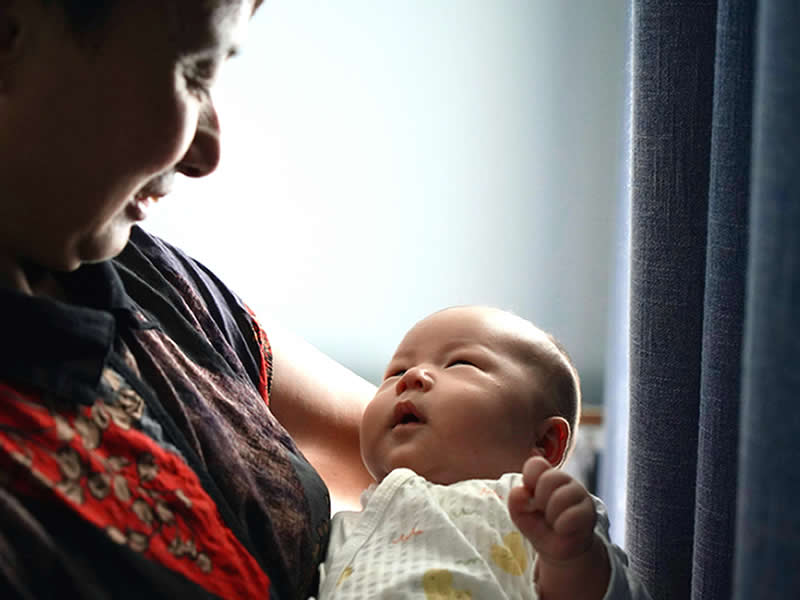
When Granny becomes “nanny” to grandchildren, does she enjoy it?
As the number of dual-income families has increased in Singapore, the number of grandparents providing childcare has likewise increased. Thus, in a 2015 study titled “Granny as Nanny: Positive Outcomes for Grandparents providing Childcare for Dual-Income Families. Fact of Myth?”, Suzanne S. H. Low and Esther C. L. Goh explored the experiences of ethnically Chinese grandparents who provide care for dual-income families in Singapore. The study noted that Chinese grandparents often felt compelled to take on caregiving roles due to cultural and familial obligations, even though it came with significant personal costs.
Published in the Journal of Intergenerational Relationships, the study highlights the costs and benefits towards grandparents in their experiences of childcare. The authors emphasise the need for better support to address their social, emotional, and financial needs while helping them maintain strong relationships with their families. They call for proper recognition of grandparents’ contributions to the family that would create a mutually beneficial caregiving experience for all three generations and society as a whole.
Costs and Benefits of Granny being Nanny
The study highlighted the costs incurred by grandparents as they take on caregiving roles. These include:
- Loss of freedom. One grandmother was quoted as saying, “I couldn’t go out whenever and wherever I wanted anymore. I had to plan my time to go out.”
- Finances. Grandparents who care for their grandchildren full-time often face financial instability, as they may retire early or work part-time, relying on their limited savings. Although all adult children in the study gave their parents allowances, such financial support from their children is not sustainable, with lump sum amounts often being insufficient. As grandparents age, their health declines, leading to increased medical expenses, further straining their financial situation.
- The perceived reduction of power. Grandparents and parents may have different approaches when it comes to discipline. The study showed how some grandparents feared interfering and felt restricted as they needed to conform to the desires of the parents.
- Lack of respite. For grandparents living in three-generational households, they took up caregiving roles even when the adult children were around.
The study also revealed key factors motivating grandparents’ decisions to become caregivers and how they benefit from it.
- A strong desire to chuan zong jie dai (continue the family lineage) motivates many grandparents to take on caregiving roles. To encourage their adult children to have children and continue the family line, grandparents often provide caregiving support to ease the burden of raising children.
- The concept of gu rou (flesh and blood) helps grandparents overlook their struggles in caregiving, sacrificing their time and effort for family.
- Driven by a fear of losing contact and close relationships with their family, they continue to act as caregivers.
Additionally, the study showcases some mismatched expectations between grandparents and their adult children. Grandparents wonder if their adult children will “pay forward” by caring for them in the future, or if such expectations might strain and materialise in their relationship. There is said to be “little hope” that adult children will share the same mindset of repaying grandparents. This mismatch stems from grandparents’ perceived willingness to take on caregiving roles and their tendency to suppress struggles to keep a harmonious family unity.
Despite the challenges, the desire for family unity outweighs the hardships they face. Cultural values like chuan zong jie dai and gu rou prioritize family ties and needs over the personal struggles which continue to motivate grandparents.
How to Better Support Grandparents?
The overarching objective of this study was to strengthen the family as a whole. The authors believe that grandparents play a significant role in the upbringing of children, but more ought to be done in supporting them. How can both grandparents and adult children coexist as equal agents to support each other in building up the family unit?
They make suggestions on three levels:
At the micro level
- Counselling, combined with culturally sensitive practices, can help grandparents explore and navigate through their challenges and make rational decisions about their caregiving roles.
- Social workers can encourage and mediate discussions between grandparents and older adults, to renegotiate caregiving roles, making expectations and struggles more explicit to foster understanding and support.
At an intermediate level
- Full-time caregiving can be both physically and psychologically draining for grandparents, creating a need for community, social interaction, and support.
- Social workers can address this by organising support groups tied to activities their grandchildren are involved in. One way could be using preschools as venues for such initiatives.These platforms allow grandparents to socialise, share experiences, connect for support, and regain a sense of social life while continuing their caregiving responsibilities.
At a macro level
- The government and social workers can advocate for policies that compensate grandparents for their caregiving efforts and the financial losses they incurred.
- Grandparents who provide childcare are indirect contributors to the economy. Reducing the demand for childcare centers and enabling parents to remain in the workforce.
- Childcare subsidies unused by families can be redirected to grandparents’ Central Provident Fund (CPF), alleviating concerns about medical expenses and encouraging continued caregiving.
It must be borne in mind that there are limitations with this study. The study has a small sample size of five individuals, who are grandmothers of Chinese ethnicity aged between 51 and 61. All five participants were recruited through personal contacts of one of the authors (Low); they were friends who were providing caregiving to grandchildren. Cultural values here may also differ with other ethnicities and groups of people. As a result, the authors themselves recognise that the findings of the study cannot be generalised.
Value of Grandparents to Families and Society
Nevertheless, despite the limitations, the study sheds light on the positive and negative experiences that grandparents face when providing caregiving of grandchildren. According to the authors, “more must be done to meet the social, emotional, and financial needs of grandparents providing childcare and while assisting them to maintain close relationships with their adult children and grandchildren through providing care”. They also see grandparents as “resources for families and to society”
As Low and Goh write in their article, “We believe that when proper recognition is accorded to the significant contribution made by grandparents, the caregiving experience will be mutually beneficial to all three generations within the families and to society at large.”
 Grander Together
Leave a comment