
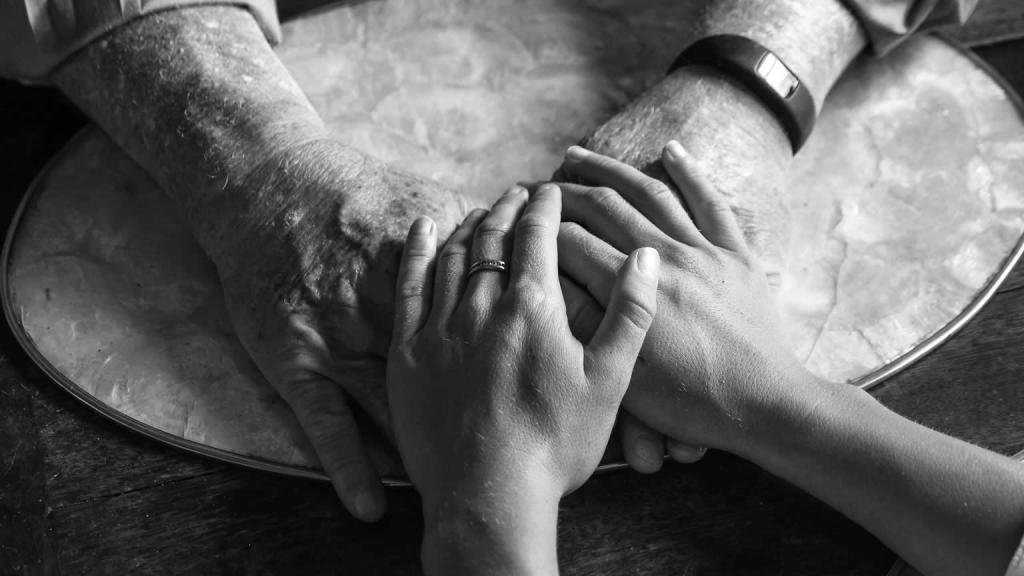
Family support is a pivotal factor in the well-being of older adults in Singapore. Their provision extends beyond monetary support to co-residence, instrumental assistance, physical and emotional support, and advice. Intergenerational support is most prominent in Asia due to limited public old-age security, formal eldercare, and nursing home facilities. Older persons, however, need not be recipients of support alone; they also play an instrumental role in supporting family members.
In an article, “Intergenerational Support to and From Older Singaporeans”, Bina Guhaju, Angelique Chan, and Truls Østbye examine the support received and provided by older Singaporeans. Contained in the book, Family and Population Changes in Singapore (2018), the study assessed the levels of monetary, material, time, and emotional support to and from older Singaporeans and examined the relationship of gender and marital status with the different types of intergenerational support. This was done by analysing the results of the 2011 Panel on Health and Ageing of Singaporean Elderly (PHASE).
General Observations From Past Studies
Age, gender, marital status, number of living children, level of education, and health play a key role in determining the extent of support provided and received. In Singapore, family has been the main provider of support for older adults. However, demographic changes, increasing life expectancy, smaller family size, increasing women’s labour force participation, and increases in non-marriage and divorce affect how the elderly and their children support each other.
Gender is a key variable in the study of intergenerational support patterns, although its role varies by the content and type of support. Sons and daughters have different expectations and roles in providing support, and mothers and fathers also differ in the extent to which they receive and provide care.
Marital status also determined the extent of care, where widows in particular are more likely to receive both financial and instrumental help from their children, partially due to their older age, greater physical needs, and financial vulnerability. Consequently, they are least likely to provide help to their children compared with married elderly people. Divorced elderly support also differs, where divorced men are much more vulnerable in later years because of weaker ties with their children. Additionally, there is now an increase in the proportion of elderly individuals who are divorced or never married.
Current Observations
The overarching concern of their research is to assess the receipt and provision of monetary, material, time, and emotional support and to examine the relationships between gender and marital status and these types of support. Monetary support has remained high amongst elderly Singaporeans. However, the percentage of monetary support for those aged 60 and above declined from 91 percent in a 1995 survey. 20-40 percent reported receiving material, time, and emotional support as well.
The elderly also provide considerable support to other generations: over 35 percent provide monetary support, one quarter to one third provide emotional and time support, and 10 percent provide material support.
No Support Elderly
A sizable number of the elderly are not receiving or providing support, 7 percent in monetary terms, and 18 percent in material, time, and emotional support. This suggests that they are either more independent or have non-familial sources of support (i.e., domestic helpers or nurses for time-related support). Studies have shown that mutual support within families confers substantial benefits on older adults, particularly for their overall health and well-being.
Gender Difference in Support
Women still receive a larger portion of support, but they, too, offer greater provisions than men in all four types of support. Gender differences remain significant, but also contrast with previous studies that claim women are only recipients and men are providers. The type of support women provide is often associated with household chores, babysitting, and instrumental help. Women are now more likely to provide monetary support. Men, however, are least likely to provide care in terms of time and practical support like women. This could be a reason why monetary care received, men still receive significantly less than women: 28 percent for men and 45 percent for women.
Care for the Divorced, Widowed, and Childless
Widowed older adults are more likely to receive monetary support and, consequently, less likely to provide it than married older adults. Although not significant, divorced men are at a disadvantage compared to divorced women when it comes to receiving monetary, material, and time support. Generally, divorced men are more likely to provide emotional support and receive similar support.
Additionally, never-married older adults, who are predicted to increase, are the least likely to receive or provide monetary support, as they lack children and must rely on non-immediate family as their primary source of support.
Care Amongst the Different Ethnicities
The intergenerational support differences between Chinese, Malays, and Indians are striking. Chinese elderly are the least likely to receive material and time support as well as to receive and provide emotional support, compared to the Malays and Indians.
Conclusion
Older Singaporeans continue to receive intergenerational support; they not only receive it but also provide more now than before. However, in terms of monetary provisions, the numbers are declining. Additionally, mutual benefits accrue across generations. Support provided and received by the elderly remains strongly influenced by their health, education, financial background, and marital status.
Divorced men are considerably at a disadvantage; the support provided to them is less than that provided to women.


Leave a Reply