
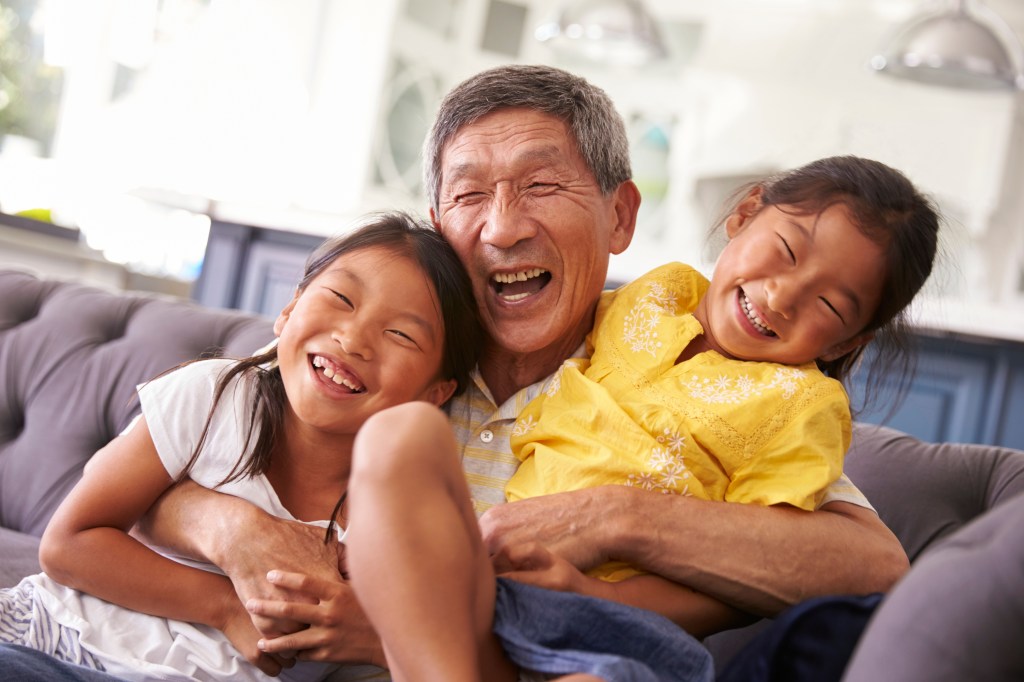
Grandparents play an important role in supporting and caring for the family. However, they are also recipients of care. Guided by the principles of support and solidarity, this builds reciprocity within a family. Despite being highly esteemed family members, many of grandparents’ roles and experiences are being reshaped by social and demographic shifts.
Premchand Dommaraju, Associate Professor from Nanyang Technological University, addressed the contrasting roles grandparents play as caregivers and care recipients during a November 2025 conference. Titled “Sustained Well-Being in Future-Ready Communities”, the conference was co-organised by the Social Service Research Centre (SSR) from the National University of Singapore (NUS) and TOUCH Community Services.
In his talk “Grandparents as Caregivers and Care Recipients” , Associate Professor Dommaraju analysed these diverse roles from our cultural context.
The Changing Landscape of Grandparenthood
Singapore is a superaged society, where the fertility rate is decreasing due to increasing non-marriage, postponed marriage and childbearing, and increasing life expectancy.
This leads to grandparents having fewer grandchildren, and others cannot become grandparents or only become grandparents later in life. Grandparents now would spend more years as grandparents while having fewer grandchildren than previous generations. A child might have longer periods of their life experiencing multiple grandparents present. Additionally, grandparents are increasingly better educated than previous generations.
There is also an increased need for grandparental care especially amongst those who are divorced, single parents, and who go through parental migration, where parents move abroad for work, leaving their children in the care of their grandparents.
Grandparent households can be classified as such:
- Extended households, where three or more generations live within the same household.
- Skip-generation, where grandparents and their grandchildren live together in the absence of the child’s parent.
- Modified extended family, grandparents and grandchildren living in separate households while still providing care for each other.
In Asia, especially in Singapore, grandparents who live with their adult children are not uncommon. In such cases, grandparents provide more extensive and intense care. Intergenerational support can be beneficial; it also brings stresses and conflicts.
Grandparenthood in Transition
Grandparents are no longer confined to blood; with divorce and remarriage, many have stepped into the role of step-grandparents.
When it comes to care, there are variations but there is a trend of increased provision of care from grandparents across various countries. From grandparents’ perspectives, grandparenting is another stage of life they go through. With demographic changes come grandparents who are healthier, working, and engaged in other responsibilities. Grandparents are no longer solely focused on grandparenting, and this poses a challenge. Furthermore, there is an increase in “grey divorces” (couples divorcing in their senior years), life transitions for grandparents add to their burden.
Grandparents as the Family’s Safety Net
With many parts of the world formal childcare is limited and costly and parents, particularly mothers are re-entering the workforce, grandparents are whom parents rely on the most and regard as safety nets. Parents who are working or ill, family circumstances such as divorce or unemployment, and parental migration are rely the most on grandparents. Maternal grandparents especially play a huge role in supporting these children.
Their care can be supplementary, through duties like school pickups and meal preparations, or “substitutive”, where they act as custodians when parents are absent. They also help act as bridges when divorce occurs. On the other hand, three-generational care is a cohesive and reciprocal care model across the generations.
Apart from childminding, grandparents are instrumental in transmitting moral and cultural values. Technology also plays a role in long-distance grandparenting. While they cannot care physically, they connect through online means.
Although grandparents desire to be present, many prefer to maintain a distinction and not interfere in raising the child.
The Gendered Role of Grandparents
When it comes to grandmothers and grandfathers, their roles can differ. Where maternal grandmothers are viewed as more beneficial because of their natural femininity and maternal instinct. Additionally, widowed grandparents are seen as more available to provide care as they do not have the added responsibility of caring for their spouse. As a result, widowed grandmothers are often the one providing more care.
The Cost of Caring
Custodial grandparenting is one of the most taxing forms of grandparenting. Grandparents take full responsibility for their grandchildren, and due to their age, it often results in negative impacts on their health, stress levels, and finances.
For three-generation households’ grandparents, they have their own wants and interests, but often caring comes at the cost of this personal time. In contrast, grandparents who have the highest well-being are those who do not reside with their grandchildren. They live separately while being moderately involved in their lives as well.
Additionally, grandparents who work find themselves needing to rely on their children financially due to the loss of income when they take time off for the sake of grandparenting.
Caregivers Also Need Care
Grandparents at times receive care from their grandchildren as well. This often happens in cases where they suffer from illness such as dementia. Grandchildren now shift into caregiving roles, either as secondary or primary caregivers. They may find it difficult and stressful in this additional new role they are given while feeling unfair as they see it as their parents’ responsibility to be carers.
Recognising the Care Behind the Care
In Singapore, while parents can claim Grandparent Caregiver Tax Relief, grandparents receive few direct benefits and lack access to childcare leave and flexible work arrangements for caring for their grandchildren. They also face legal disadvantages, as they generally do not have custodial or visitation rights after a divorce by their adult children leaving them disconnected from their grandchildren. There is a need for policies that better recognise and support caregiving grandparents. The study looked at Sweden’s model as an example, where parents can transfer up to 90 days of paid parental leave to close relatives, friends, or other caregivers. This allows grandparents to spend time caring for their grandchildren without the fear of losing income and employment. Such policies strengthen integrational involvement and give parents greater access to trusted childcare.
Conclusion
The study highlights the cost grandparents bear in their caregiving roles. They desire their own autonomy, and independence while having a close and present relationship with their grandchildren. They see caregiving as a joy and a part of their natural course of life but cannot negate the cost. As they are also highly acclaimed for by families and society as pillars to a strong family more must be done to support their efforts in grandparenting.


Leave a Reply